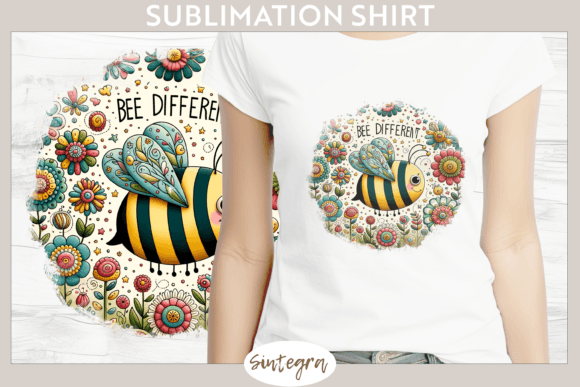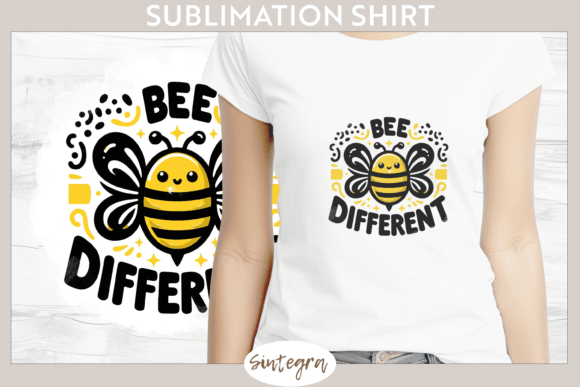
Bee Different V2 T-shirt Sublimation: Integrating High-Resolution Assets into Your Production Workflow
In the competitive landscape of print-on-demand and custom apparel manufacturing, the quality of your digital assets dictates the ceiling of your final product. The Bee Different V2 T-shirt Sublimation design is not merely a graphic; it is a production-ready component engineered for professional workflows. For creators, small business owners, and educators managing merchandise lines, understanding the technical specifications and integration points of this asset is essential for maintaining efficiency and quality control. This resource bridges the gap between creative concept and tangible garment, specifically optimized for dye-sublimation processes that demand precision and color fidelity.
Technical Specifications and Asset Management
Before introducing any design file into a production environment, verifying technical parameters is a critical quality assurance step. The Bee Different V2 asset is delivered as a single PNG file with dimensions of 11.57 inches by 11.346 inches. At 300 DPI (dots per inch), this translates to a pixel resolution of 3472px by 3404px. These specifications are significant for several operational reasons.
First, the 300 PPI standard ensures that the image retains sharpness when printed at actual size on adult garments. Lower resolution files often require upscaling, which introduces artifacts and blurriness that degrade the perceived value of the merchandise. Second, the inclusion of a white background facilitates specific workflow advantages. While some designers prefer transparent backgrounds for layering, a solid white background in sublimation serves as a visual guide for alignment and can be utilized strategically depending on the substrate color. For dark fabric transfers or specific vinyl applications, the white base provides necessary contrast during the digital proofing stage.
Organizing this asset correctly within your digital asset management (DAM) system prevents downstream errors. We recommend renaming the file upon download to include project codes, colorway identifiers, or version numbers relevant to your internal cataloging system. Storing the master 300 DPI file separately from resized web previews ensures that production staff never accidentally select a low-resolution variant for printing.
Pre-Production Planning and Compatibility
Integrating Bee Different V2 T-shirt Sublimation into your workflow begins long before the heat press is activated. Successful implementation requires assessing compatibility with your existing hardware and software ecosystem. This high-quality sublimation file is designed to interact seamlessly with industry-standard RIP (Raster Image Processor) software and design platforms like Photoshop, Illustrator, or specialized sublimation suites.
During the planning phase, consider the following integration factors:
- Color Profile Matching: Ensure your monitor is calibrated and your printer ICC profiles are current. The vibrant nature of this design relies on accurate color translation from RGB screen display to CMYK or sublimation-specific ink output.
- Substrate Selection: This design is optimized for polyester substrates or poly-coated surfaces. If you are applying this to cotton blends, verify that your transfer medium (such as HTV or hybrid papers) supports the 11.57-inch width without compromising hand-feel.
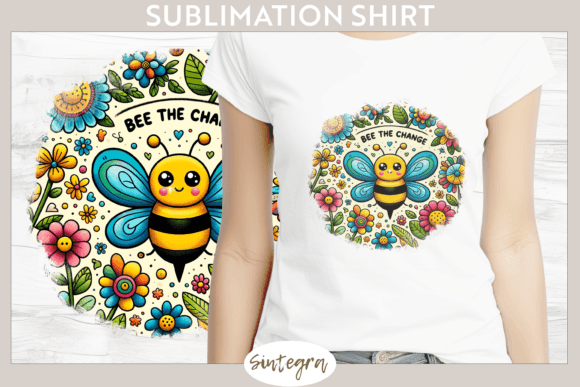
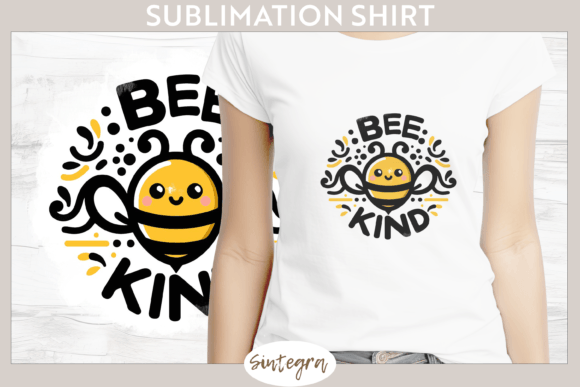
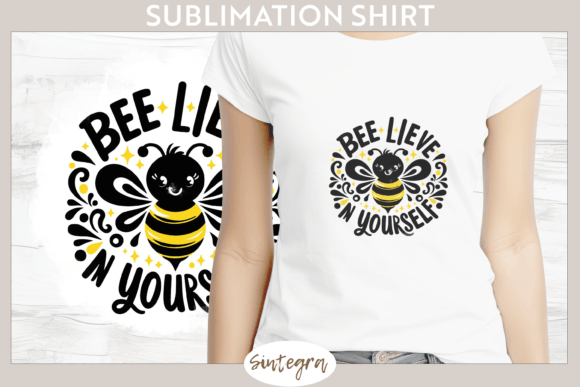
- Mockup Utilization: Use the provided mockups strictly for presentation and client approval. Do not use mockup files for production. Always revert to the source PNG for manufacturing to maintain the 300 DPI integrity.
For entrepreneurs and marketers, this pre-production phase is also where inventory decisions are made. Because the file is high-resolution and versatile, it allows for testing across multiple garment styles—from standard tees to performance wear—without requiring separate asset purchases. This flexibility supports lean inventory methodologies by enabling rapid prototyping before committing to bulk stock.
Execution: Optimizing the Transfer Process
The transition from digital file to physical garment is where technical preparation meets practical execution. The Bee Different V2 design’s dimensions cover a substantial printable area, making it ideal for full-front placements. However, maximizing the "professional-grade" outcome requires attention to process variables.
When preparing the file for print, avoid automatic resizing features in your printer driver that might alter aspect ratios. Given the precise 11.57 x 11.346 inch dimensions, manual placement on the virtual canvas ensures the design prints exactly as intended. For users employing sawgrass or Epson EcoTank conversions, setting the correct mirror function is mandatory. The white background of the PNG should appear reversed on screen before printing; if it does not, check your RIP settings immediately to prevent wasted consumables.
Heat press parameters must be adjusted based on the specific interaction between this high-density ink coverage and your chosen fabric. Designs with large solid areas or intricate details, characteristic of the Bee Different aesthetic, may require slight adjustments to pressure or dwell time compared to minimalist text designs. Conducting a test press on a scrap piece of the exact same material is a non-negotiable step in professional workflows. This validates color accuracy, adhesion, and wash fastness before risking sellable inventory.
Post-Production Quality Control and Customer Engagement
The workflow does not end when the shirt is peeled. Post-production evaluation closes the loop and informs future iterations. Inspect the final transfer for ghosting, color banding, or incomplete sublimation. Because Bee Different V2 is a high-detail asset, it serves as an excellent stress test for your equipment. Consistent issues with this specific file may indicate maintenance needs, such as clogged nozzles or uneven platen pressure, rather than a flaw in the design itself.
Furthermore, the post-production phase offers a unique opportunity for community building and market validation. We absolutely love seeing the final products you create with our designs. Sharing photos along with your reviews serves a dual purpose: it provides social proof for potential customers and offers valuable feedback to the design team regarding real-world application. When documenting your work, photograph the garment in natural lighting to accurately represent the color gamut achieved through sublimation. Highlight how the design interacts with different fabric textures or garment cuts. This user-generated content becomes an extension of the product’s value proposition, helping other makers understand the versatility of the asset.
Strategic Applications Across Diverse Roles
The utility of Bee Different V2 T-shirt Sublimation extends beyond simple apparel decoration. Its high-resolution format and distinct artistic style make it a functional asset across various professional and personal domains.
For Educators and Non-Profits
Teachers and organization leaders often require merchandise that conveys identity without generic clip-art aesthetics. This design supports fundraising initiatives or team-building events by offering a polished, retail-ready look. The ease of transfer means volunteers with minimal technical training can achieve consistent results, reducing the dependency on external vendors and keeping budgets focused on core missions.
For Freelancers and Content Creators
Merchandise is a tangible touchpoint for digital brands. Using a distinctive, high-quality sublimation design helps differentiate creator merch from mass-produced alternatives. The 300 DPI resolution ensures that promotional photos and video content capture crisp details, reinforcing brand professionalism across social media platforms. Integrating this asset into a limited-edition drop strategy can drive engagement while testing audience preferences.
For Small Business Owners
Diversifying revenue streams is a common goal for service-based businesses. Adding a branded apparel line using premium assets like Bee Different V2 transforms customers into brand ambassadors. The file’s commercial readiness eliminates licensing ambiguities often associated with free internet graphics, providing peace of mind for business owners scaling their operations. Additionally, the ability to produce on-demand reduces warehousing costs and aligns with sustainable business practices.
Maintaining Long-Term Value and Efficiency
To maximize the return on investment for this digital asset, treat it as a reusable component of your broader creative library. While the primary application is t-shirt sublimation, the 3472px x 3404px resolution opens doors to secondary products. Consider adapting the design for tote bags, mousepads, or aluminum panels. The high pixel count allows for cropping or focusing on specific elements of the illustration for smaller items without losing clarity.
Efficiency also comes from documentation. Keep notes on which substrates yielded the best results with this specific design. Record your successful heat press settings, color correction values, and customer feedback. Over time, this data creates a standardized operating procedure that reduces setup time for future reorders and ensures consistency across different operators or locations.
Say goodbye to ordinary t-shirts and elevate your fashion game with exceptional sublimation designs. By approaching Bee Different V2 T-shirt Sublimation with a process-oriented mindset, you move beyond simple crafting into professional manufacturing. Whether you are making a bold statement for a personal wardrobe or building a scalable product line, the combination of technical excellence and artistic uniqueness provides the foundation for success. Embrace your unique style, execute with precision, and make a lasting impression with a collection that stands out in both quality and character.