Gaming Zone Metal Wall Art: A Practical Guide to Digital Files and Fabrication
Transforming a room into a dedicated gaming sanctuary often comes down to the details that tie the theme together. Gaming Zone Metal Wall Art serves as a striking focal point, bridging the gap between digital entertainment and physical interior design. Unlike generic posters or canvas prints, metal art offers an industrial, modern aesthetic that resonates with the tech-forward nature of gaming setups. However, for creators, hobbyists, and small business owners looking to produce this decor using laser cut SVG files or CNC routers, the path from digital download to finished product is fraught with technical nuances. Understanding these distinctions is essential to avoid wasted materials, machine damage, or disappointing final results.
Understanding the Digital Asset vs. Physical Product Distinction
The most frequent misunderstanding among first-time buyers of "This Game" metal wall art designs is the assumption that a physical item will arrive in the mail. It is vital to recognize immediately that these listings are for instant download files only. No physical metal sign will be shipped to you. This distinction matters because it shifts the responsibility of production entirely onto the user or their chosen fabricator.
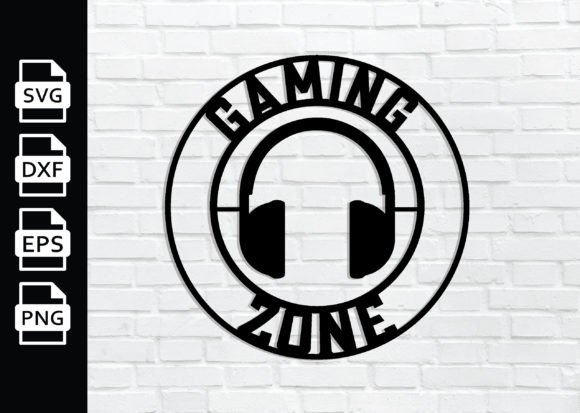
When you purchase this digital package, you are acquiring a toolkit consisting of four specific formats: one SVG vector file, one DXF file, one high-resolution 300 DPI PNG with a transparent background, and one EPS vector file. Each format serves a distinct purpose, and using the wrong one for your specific machinery is a common error. For instance, attempting to use a PNG file for laser cutting will result in poor edge quality and excessive burn marks, as raster images lack the precise path data required by cutting software. Conversely, using a complex vector file for simple vinyl weeding without simplifying nodes can cause your cutter to stall or tear delicate material. Always match the file type to your hardware capabilities before hitting start.
Evaluating Design Complexity for Your Equipment
Not all Gaming Zone Metal Wall Art designs are created equal regarding manufacturability. A design that looks stunning on a screen may be structurally unsound when cut from 16-gauge steel or even 3mm acrylic. One of the most overlooked details is the relationship between line thickness and material integrity. Intricate, lace-like patterns within a gaming logo might render beautifully in Illustrator, but they can warp instantly under the heat of a fiber laser or snap during the deburring process if the metal bridges are too thin.
Before committing to a full-scale cut, experienced fabricators always perform a feasibility check. Measure the smallest internal features of the SVG or DXF file against your kerf width and material gauge. If the design includes text smaller than 1/4 inch in height, consider whether your machine can maintain legibility without melting the surrounding metal. A practical correction for this issue is to modify the vector file slightly, thickening critical junctions or opting for a stencil font variation that maintains structural tabs. This proactive adjustment saves hours of post-processing and prevents the heartbreak of ruining expensive sheet metal due to an overly ambitious design choice.
Material Selection and Finish Considerations
The visual impact of gaming decor relies heavily on contrast and texture. A common mistake is selecting a material based solely on cost rather than how it interacts with the specific "This Game" artwork. Raw mild steel, for example, requires immediate sealing or powder coating to prevent rust, especially if intended for indoor/outdoor hangings or humid environments like basements. Neglecting this step leads to orange staining on walls and degraded aesthetics within months.
Furthermore, consider the mounting method during the design evaluation phase. Some minimalist art styles rely on standoff bolts for a floating effect, while others are designed to sit flush against the wall. If your chosen SVG file does not include pre-designed mounting holes, adding them after the fact can disrupt the visual balance of the piece. It is far more efficient to edit the DXF or EPS file beforehand to integrate hidden keyhole slots or standoff points that align with the negative space of the gaming motif. This foresight ensures the installation enhances the art rather than detracting from it with visible, improvised hardware.
Optimizing Files for Production Efficiency
For entrepreneurs and makers producing these signs for sale, efficiency directly impacts profitability. A frequent oversight is failing to optimize the vector paths within the downloaded SVG or EPS files. Designers often create art with overlapping lines or open vectors that look fine visually but confuse nesting software and increase cut time. Running a "clean up" or "optimize" function in your CAD or laser software is non-negotiable. This process removes duplicate lines, joins broken segments, and ensures all shapes are closed loops.
Additionally, pay attention to the layer organization in the provided files. High-quality Gaming Zone Metal Wall Art assets should separate cut lines from etch lines or score marks. If the file arrives with everything on a single layer, take the extra ten minutes to color-code the vectors according to your machine’s processing order. Cutting internal details before external outlines is a standard best practice; failing to enforce this sequence can cause the part to drop out of the sheet prematurely, leading to misalignment and potential head crashes. Proper file hygiene is the difference between a smooth production run and a frustrating troubleshooting session.
Licensing and Commercial Application Awareness
While the technical aspects of fabrication are paramount, the legal and ethical use of digital assets requires equal attention. Just because a file is available for instant download does not automatically grant unlimited commercial rights. Many "This Game" themed designs reference popular intellectual property. Makers must verify the licensing terms included with the SVG, DXF, PNG, and EPS bundle. Using a trademarked gaming logo for personal wall decor is generally acceptable, but selling finished metal signs featuring protected IP without a license exposes small business owners to significant legal risk.
A better approach for commercial sellers is to focus on original, generic gaming iconography or secure proper licensing for specific franchises. When marketing these items, transparency builds trust. Clearly state whether the item is a custom fabrication service using client-supplied files or a licensed product. For educators and content creators sharing tutorials based on these files, always credit the original designer and link back to the source. This ecosystem of respect ensures that designers continue creating high-quality, machine-ready art while makers build sustainable, reputable businesses.
Making Informed Decisions Before Purchase
Ultimately, successful implementation of Gaming Zone Metal Wall Art depends on aligning expectations with reality. Before purchasing any digital cut file, assess your current equipment limitations honestly. If you own a hobbyist diode laser, a highly detailed 24-inch wide sign might be beyond your capacity, regardless of what the preview image suggests. Check the recommended minimum material thickness and maximum dimensions in the product description. Read reviews specifically from users with similar machines to yours to gauge real-world performance.
Remember that the value of these instant download files lies in their versatility and precision. By treating the SVG, DXF, PNG, and EPS files as professional manufacturing blueprints rather than mere clipart, you elevate the quality of your output. Whether you are decorating a personal streaming studio, outfitting a commercial arcade, or launching a metal art side hustle, taking the time to understand file compatibility, structural integrity, and material science transforms a simple digital transaction into a lasting piece of functional art. The goal is not just to cut metal, but to create an environment that celebrates gaming culture with craftsmanship and intentionality.