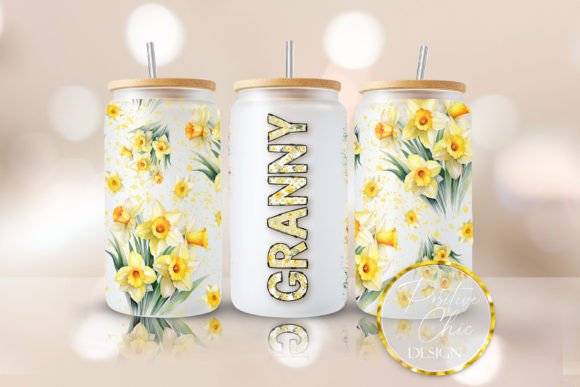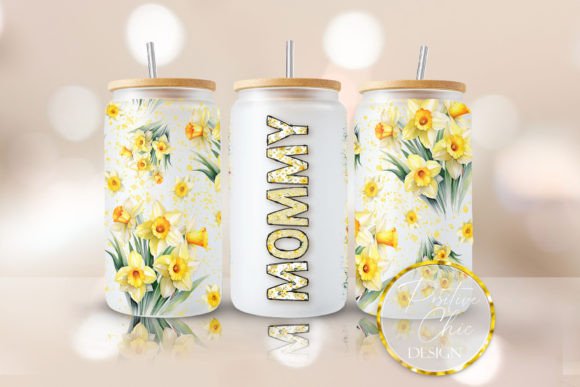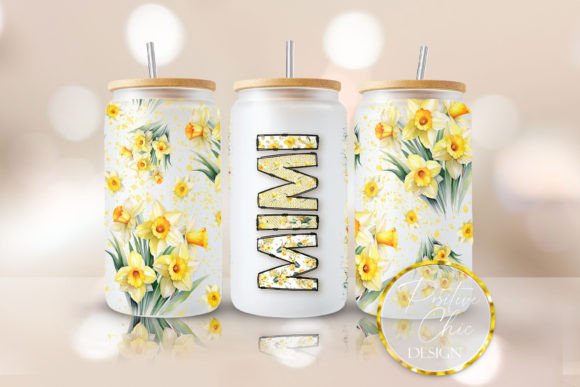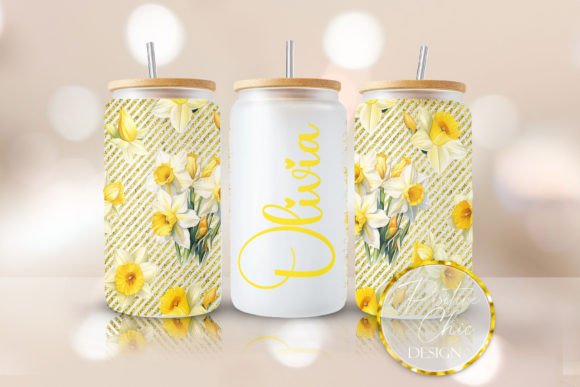
Technical Application and Creative Potential of the Memaw Libbey Glass Can Wrap PNG UVDTF
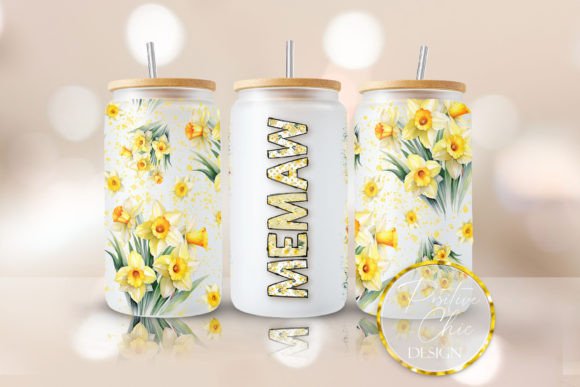
The intersection of digital design and physical drinkware customization has created a robust ecosystem for creators, small business owners, and hobbyists. Within this niche, specific assets like the Memaw Libbey Glass Can Wrap PNG UVDTF serve as critical components in the production pipeline. This digital asset is not merely an image; it is a precision-engineered template designed to bridge the gap between screen-based artistry and tangible product creation. Understanding the technical specifications, application methods, and creative versatility of this 16 oz Libbey glass tumbler wrap sublimation design is essential for anyone looking to produce professional-grade customized drinkware.
Decoding File Specifications and Print Fidelity
When acquiring an instant digital download for sublimation or UVDTF applications, the technical integrity of the file dictates the quality of the final output. The Memaw Libbey Glass Can Wrap PNG UVDTF is provided as a high-resolution PNG file at 300 DPI (dots per inch). This resolution is the industry standard for print media because it ensures that pixelation does not occur when the digital image is transferred to a physical surface. At lower resolutions, intricate details in the "Memaw" typography or floral elements would appear jagged or blurry on the curved surface of a glass tumbler.
The dimensions of this specific wrap are approximately 9.3 x 5.3 inches. These measurements are calibrated specifically for the 16 oz Libbey glass can, which has become a staple in the personalized drinkware market due to its bamboo lid and glass straw aesthetic. Unlike generic templates, a size-specific wrap accounts for the exact circumference and printable height of the vessel. This precision eliminates the guesswork often associated with resizing designs, preventing common issues such as white gaps at the seam or distorted imagery near the top and bottom rims. Users should note that this product is strictly a PNG format; no SVG files are included. This distinction is important because PNGs are raster-based, preserving complex color gradients and shading that vector formats sometimes struggle to replicate without extensive manipulation.
UVDTF Versus Traditional Sublimation Workflows
The inclusion of "UVDTF" in the product nomenclature highlights a significant technological shift in cup wrapping. While traditional sublimation requires heat and pressure to infuse ink into a polymer coating, UV Direct-to-Film (UVDTF) utilizes ultraviolet-cured inks printed onto a specialized film with an adhesive backing. The Memaw Libbey Glass Can Wrap PNG UVDTF is optimized for both workflows, but understanding the difference is vital for material selection.
- Sublimation Application: When using this PNG for sublimation, the design becomes part of the glass coating. The result is smooth to the touch and dishwasher safe, provided the tumbler itself is rated for such use. The 300 DPI resolution ensures vibrant color transfer during the heat press cycle.
- UVDTF Application: For UVDTF, the same PNG file serves as the print source for a UV printer. The resulting decal adheres to the exterior of the glass. This method allows for raised textures, varnish effects, and application on glasses that may not have a sublimation coating. The high contrast and detail in the Memaw design translate exceptionally well to UVDTF, where white ink underbases enhance color vibrancy on clear glass.
Creators must choose their production method based on the intended end-use. Sublimation offers permanence and a seamless feel, while UVDTF offers versatility and tactile texture. The digital file supports both, making it a flexible asset for mixed-media workshops.
Design Aesthetics and Market Relevance
Beyond technical specs, the success of a cup wrap relies on its visual appeal and emotional resonance. The "Memaw" theme targets a specific demographic segment: gifts for grandmothers, matriarchal figures, and family heritage celebrations. In the personalized gift market, niche specificity drives conversion. Generic floral patterns are abundant, but text-integrated designs that celebrate familial roles occupy a unique space.
This particular sublimation design balances elegance with readability. The typography is crafted to remain legible even when wrapped around a cylindrical surface. Curved text can often distort if not properly mapped, but pre-sized wraps like this one account for the optical distortion inherent in round vessels. The aesthetic adds a touch of sophistication suitable for special events, family reunions, or everyday home use. For business owners, this means the design has immediate retail readiness. It requires no additional editing to be marketable, reducing the time-to-production for custom orders.
Optimizing Color Management for Glass Media
Working with clear glass presents unique challenges regarding color perception. Unlike white ceramic mugs, clear glass allows light to pass through the substrate, which can wash out colors if not managed correctly. When utilizing the Memaw Libbey Glass Can Wrap PNG UVDTF, color management strategies differ based on the printing technology.
For sublimation on clear glass, many professionals recommend applying a white vinyl base or using a glass tumbler that has been pre-coated with a white sublimation layer. Without this white backing, the translucent nature of the glass will make the design appear faded against dark backgrounds or liquids. The PNG file’s color profile should be checked before printing to ensure it aligns with the ICC profile of your specific printer and paper combination. Because this is a digital download, the colors seen on an RGB monitor will differ from CMYK print output. Performing test prints on scrap material is a necessary step to verify that the warm tones often associated with grandmother-themed designs render accurately on the cool surface of glass.
Practical Implementation and Production Considerations
Integrating this instant digital download into a production workflow requires attention to environmental and mechanical variables. Even a perfectly sized 9.3 x 5.3-inch wrap can fail if application techniques are flawed. Professionals and hobbyists alike should adhere to best practices to maximize the utility of this asset.
- Surface Preparation: Before applying either sublimation paper or UVDTF film, the Libbey glass must be cleaned with isopropyl alcohol to remove oils, dust, and manufacturing residues. Any contaminant will create a void in the adhesion or transfer process.
- Alignment Techniques: Despite the precise sizing, human error in alignment is common. Using a silicone alignment jig or creating a physical guide mark on the heat press can ensure the Memaw design sits level relative to the rim and base. For UVDTF, the wet application method (using water and soap solution) allows for repositioning before squeegeeing out bubbles, whereas dry application requires perfect initial placement.
- Seam Management: On a 16 oz can glass, the vertical seam where the wrap meets itself is the most visible flaw point. The PNG design likely includes bleed areas or strategic pattern breaks to minimize the visibility of this seam. When printing, ensure "borderless" settings are active to prevent white margins that would ruin the seamless illusion.
- Curing and Cooling: For sublimation, rapid cooling is often recommended to prevent ghosting. For UVDTF, allowing the adhesive to cure for 24 to 48 hours before washing or heavy use significantly increases longevity. Rushing this curing period is a primary cause of premature peeling.
Intellectual Property and Commercial Usage
Acquiring an instant digital download involves understanding licensing terms. While the Memaw Libbey Glass Can Wrap PNG UVDTF is available for immediate use, creators must distinguish between personal and commercial rights. Typically, these files are licensed for the creation of physical end products rather than the redistribution of the digital file itself. Respecting these boundaries protects the designer's intellectual property and maintains the value of the asset within the creator community.
Furthermore, because no SVG files are included, users cannot easily alter the fundamental vector paths of the design. This limitation is intentional; it preserves the artistic integrity of the original composition. However, it also means that customization is limited to raster editing software like Photoshop or GIMP. Users wishing to add names or dates must do so by overlaying new text layers onto the PNG background rather than modifying existing elements. This workflow encourages unique variations while maintaining the core aesthetic of the purchased design.
Elevating Drinkware Through Precision Assets
The transformation of a standard 16 oz Libbey glass tumbler into a personalized artifact is a process defined by the quality of inputs. The Memaw Libbey Glass Can Wrap PNG UVDTF represents a convergence of thoughtful design and technical specification. By providing a 300 DPI, size-accurate template, it removes technical barriers for creators and ensures consistency for businesses. Whether utilized for a heartfelt family gift or a boutique product line, the efficacy of this digital asset lies in its ability to deliver predictable, high-quality results across different printing technologies. Mastery of this tool—from color profiling to application technique—is what ultimately separates amateur attempts from professional craftsmanship in the competitive world of customized drinkware.