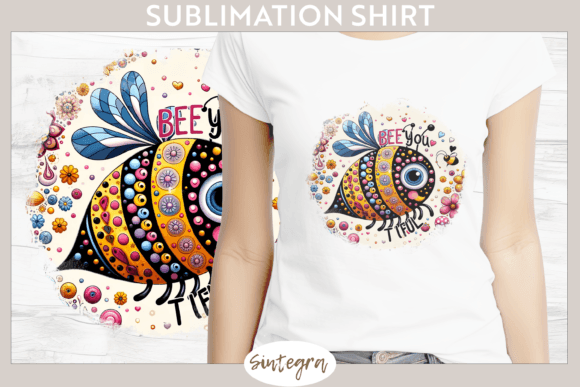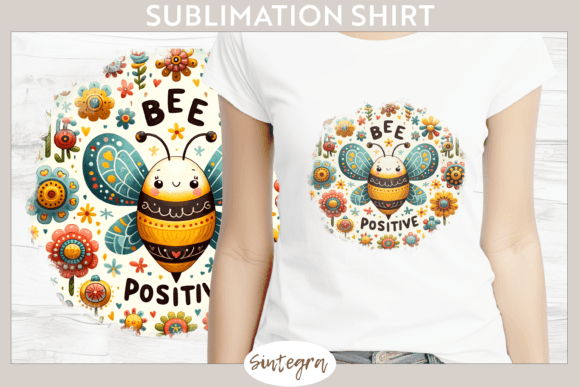
Mastering Print Quality with Bee Positive V4 T-shirt Sublimation Assets
Achieving professional-grade results in garment decoration relies heavily on the technical integrity of the source artwork. For creators and business owners utilizing the Bee Positive V4 T-shirt Sublimation collection, understanding the specific file parameters is the first step toward successful production. The included digital asset is not merely an illustration; it is a precision-engineered print file designed to bridge the gap between digital artistry and tangible textile quality. With dimensions set at 11.57 inches by 11.346 inches and a pixel resolution of 3472px by 3404px, this file provides the exact density required for high-fidelity transfers. Maintaining this resolution at 300 DPI ensures that when the image is applied to fabric, the edges remain crisp and the color gradients transition smoothly without banding or pixelation.
Technical Specifications and Color Management
The foundation of any successful sublimation project lies in respecting the relationship between pixel dimensions and physical print size. The Bee Positive V4 design operates at a strict 300 PPI standard, which is the industry benchmark for commercial textile printing. Unlike screen graphics intended for web use, which often function adequately at 72 DPI, sublimation requires high-density data to saturate polyester fibers effectively. When working with the provided 3472px x 3404px PNG, users must avoid upscaling. Enlarging the image beyond its native 11.57-inch width forces the RIP software or printer driver to interpolate pixels, resulting in a soft or blurry final product. Conversely, printing at the native size guarantees that every detail of the illustration translates accurately to the garment.
Color accuracy presents another critical consideration. Although the file arrives with a white background, sublimation printers do not print white ink. The white areas of the PNG serve as a transparency mask during the heat press process, allowing the base color of the t-shirt to show through. Understanding this negative space is vital for placement. Designers should utilize the white background as a guide for alignment within their editing software but must recognize that only the colored pixels will bond with the fabric. This characteristic makes the Bee Positive V4 asset versatile across different shirt colors, though the vibrancy will always be most pronounced on white or light-colored polyester substrates.
Optimizing the Heat Transfer Workflow
Possessing a high-quality file is only half the equation; the physical application determines the longevity and hand-feel of the garment. Sublimation is a chemical process where solid dye turns into gas under heat and pressure, permanently embedding the image into synthetic fibers. To maximize the potential of these illustrations, operators should adhere to precise environmental controls. Polyester content should ideally be 100% or at minimum 65% to ensure sufficient dye uptake. Lower cotton blends will result in washed-out images because natural fibers cannot accept sublimation dyes.
- Temperature Calibration: Most sublimation transfers require temperatures between 380°F and 400°F. Exceeding this range can scorch the fabric or cause the dyes to shift, while insufficient heat leads to incomplete transfer and poor wash fastness.
- Pressure Consistency: Medium to firm pressure is necessary to ensure full contact between the paper and the textile. Uneven pressure results in ghosting or blurred sections, particularly in detailed areas of the Bee Positive V4 design.
- Dwell Time: Standard press times range from 45 to 60 seconds. This duration allows the gas to penetrate the fiber structure fully before solidifying upon cooling.
- Moisture Control: Pre-pressing the garment for 5-10 seconds removes moisture and wrinkles. Humidity is the enemy of sublimation and can cause bleeding or steam marks on the final print.
Commercial Applications and Market Differentiation
In a saturated apparel market, distinctiveness drives sales. Generic clip art fails to capture consumer attention, whereas curated collections like Bee Positive V4 offer a cohesive aesthetic that resonates with specific demographics. The artistic style embedded in these files serves multiple commercial verticals. For small business owners and Etsy sellers, the design offers a ready-to-print solution that reduces development time while maintaining a boutique feel. Educators and school organizations can utilize such positive, visually engaging imagery for spirit wear or fundraising merchandise, where the message aligns with community values.
Furthermore, the ease of transfer mentioned in the product specifications lowers the barrier to entry for hobbyists transitioning to semi-professional status. Because the file is pre-sized and optimized, users spend less time troubleshooting resolution issues and more time focusing on marketing and fulfillment. This efficiency is crucial for print-on-demand models where turnaround speed directly impacts customer satisfaction. By leveraging professionally prepared assets, creators can guarantee a level of consistency that builds brand trust. Customers returning for future purchases expect the same vibrant quality they experienced previously, and standardized high-DPI files provide that reliability.
Design Placement and Garment Architecture
The specific aspect ratio of 11.57 inches by 11.346 inches suggests a near-square format that is ideal for center-chest placements on adult unisex tees or full-front coverage on youth sizes. However, creative adaptation extends beyond standard positioning. Experienced decorators often manipulate the layout to suit different garment architectures. While the file should not be upscaled, it can be rotated or paired with complementary text elements to create unique variations without compromising the core illustration's integrity.
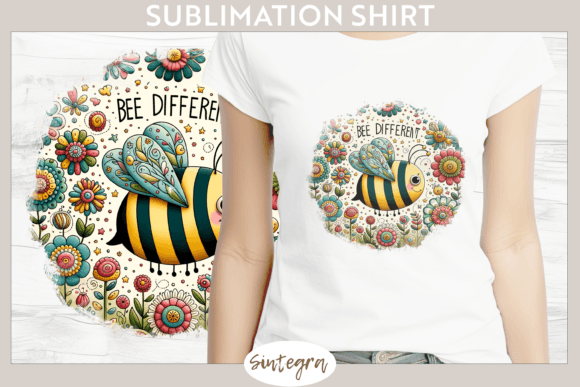
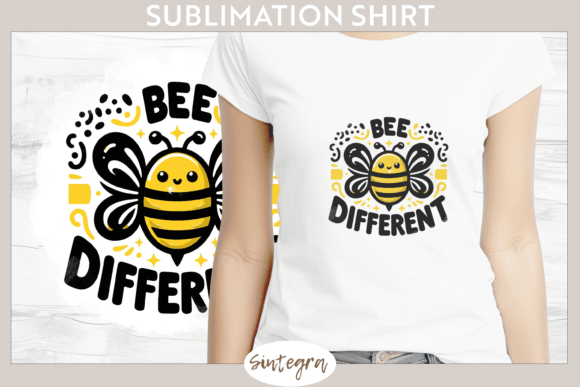
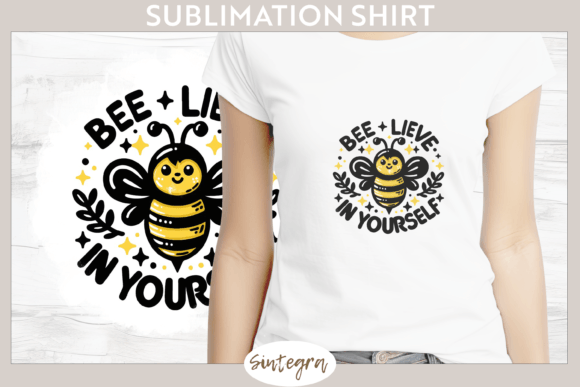
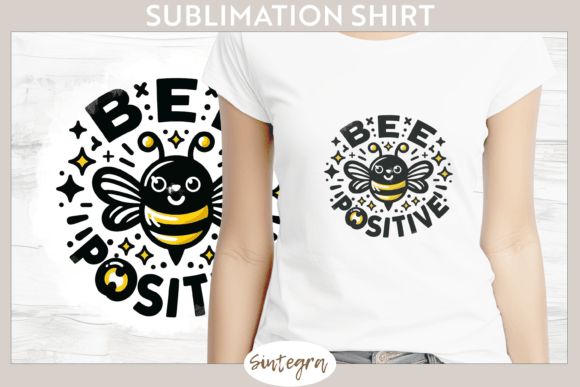
When integrating this design into a broader catalog, consider the visual weight of the artwork. Bold, colorful illustrations command attention and pair best with simple typography. Overloading the garment with additional graphics can dilute the impact of the Bee Positive V4 aesthetic. The goal is to let the high-quality sublimation file serve as the focal point. Additionally, mockups play a significant role in the pre-sales phase. While the provided mockups are strictly for presentation purposes, they help visualize scale and proportion. Creators should use these references to communicate expectations to clients but must always verify actual print sizing against physical garments before mass production.
Community Engagement and Product Validation
The value of digital design assets extends beyond the technical file; it encompasses the ecosystem of users who bring them to life. Sharing photos of finished products serves a dual purpose: it validates the quality of the source material and inspires fellow creators. When customers review the Bee Positive V4 collection with real-world examples, they provide social proof that assists prospective buyers in understanding the true color output and detail retention. Digital screens vary wildly in calibration, so seeing the design on an actual t-shirt photographed in natural lighting offers the most accurate representation of what to expect.
This feedback loop benefits the entire community. Observations regarding how the design performs on different fabric blends, how it withstands washing, or how it pairs with specific garment colors contribute to a collective knowledge base. For researchers and educators studying textile design trends, these user-generated content streams offer insight into current preferences and application techniques. Embracing unique style is not just about the initial purchase; it is about participating in a continuous cycle of creation and refinement. The joy derived from seeing final products reinforces the connection between the digital artist and the end-user, transforming a simple transaction into a collaborative creative experience.
Long-Term Care and Preservation
To maintain the professional-grade appearance of garments created with these sublimation designs, proper care instructions must be communicated to the end consumer. Sublimation dyes are permanent, but the polyester fibers holding them can be damaged by improper laundering. Washing inside out in cold water prevents abrasion against other garments. Avoiding bleach and fabric softeners is essential, as harsh chemicals can degrade the polymer coating that gives the print its vibrancy. Tumble drying on low heat or air drying is recommended to prevent thermal shock to the fibers.
Educating customers on garment care protects the reputation of the creator. A faded shirt is often blamed on the print quality rather than the laundry method. By including care tags or digital instructions with orders featuring the Bee Positive V4 design, sellers demonstrate expertise and commitment to customer satisfaction. This attention to detail distinguishes professional operations from amateur endeavors. Ultimately, the combination of high-resolution source files, precise application techniques, and informed aftercare creates a product lifecycle that honors the original artistry and delivers lasting value to the wearer.